
False Documents and Passport Forgery: A Systemic Loophole or a Weakness in Oversight?
By ILIGRA Legal Team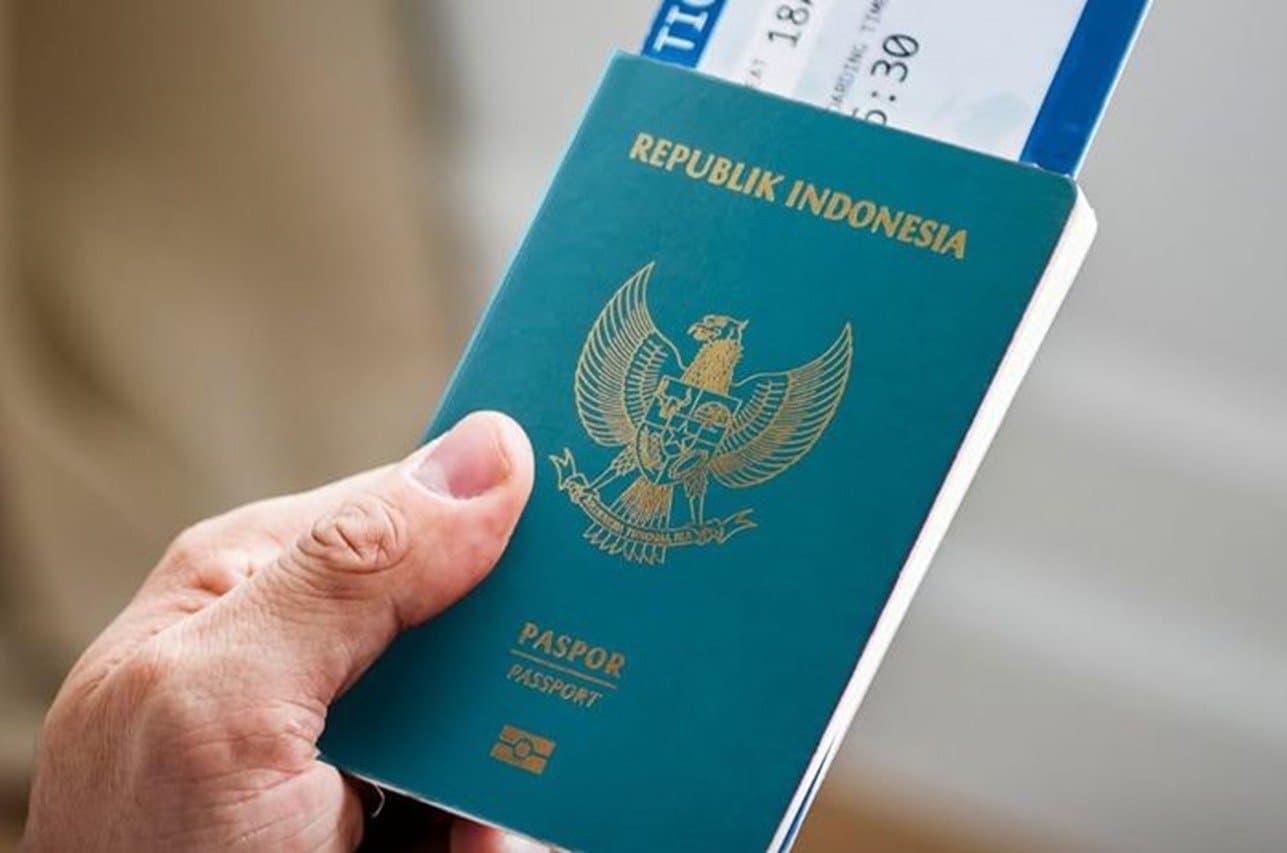
The use of false documents and passport forgery still frequently occurs in immigration practice. This phenomenon raises the question of whether such problems arise from systemic gaps in the issuance of immigration documents, or from weak oversight and law enforcement.
Law Number 6 of 2011 on Immigration has expressly regulated criminal sanctions. Article 119 provides for criminal penalties against foreign nationals who use forged immigration documents. Article 123(1) and (2) applies to any person who provides false information or uses a fictitious sponsor to obtain a passport, visa, or stay permit. In addition, Article 126 classifies passport forgery as a serious criminal offense, given that a passport is a state document. These provisions are reinforced by Articles 263–266 of the Criminal Code, which regulate forgery and the use of forged documents in general.
Even though the regulations are comprehensive, the practice of passport forgery still occurs. This indicates gaps within the administrative system, such as document verification that is not yet optimal and reliance on supporting data. On the other hand, insufficiently strict oversight also creates opportunities for abuse, both by applicants and by parties who exploit procedural weaknesses.
Passport forgery and the use of false documents are the result of a combination of systemic gaps and weak oversight. Therefore, in addition to law enforcement under the Immigration Law and the Criminal Code, it is necessary to strengthen verification and oversight systems so that the practice of using false documents can be minimized.