Practical perspectives on the laws and regulations shaping business in Indonesia.
A PT's liability is normally separate from its owners', but under the doctrine of piercing the corporate veil, owners or organs may be held personally liable in certain circumstances.
The Financial Services Authority (OJK) protects capital market investors through preventive measures such as education and complaint services, and repressive measures such as legal defense and lawsuits.
A limited liability company may be dissolved by a GMS resolution, expiry of its term, a court order, certain bankruptcy outcomes, or revocation of its business license.
A limited liability company must carry out social and environmental responsibility (TJSL) when its business relates to natural resources, and failure to do so may result in sanctions.
A general meeting of shareholders may be held online through teleconference, video conference, or other electronic media that allow participants to see, hear, and participate in the meeting.
An employee who resigns before a fixed-term employment agreement expires remains entitled to compensation pay calculated according to the portion of the contract already completed.
A worker on a fixed-term employment agreement generally remains bound by that agreement until its term expires; conversion to permanent status may follow after the agreed term ends.
A company's general meeting of shareholders may be held elsewhere in Indonesia if every shareholder is present or represented and unanimously approves the relevant agenda.
A share can carry more than one vote when the company's articles of association provide for multiple voting shares and the issuer meets the requirements under OJK Regulation No. 22/2021.
Shareholders are generally shielded from company losses, but the Limited Liability Company Law lets the corporate veil be pierced. Directors can end up personally liable.
After the Ministry of Environment and Forestry halted four companies over Jabodetabek air pollution, what does the Environmental Law say about corporate responsibility?
The ITE Law Joint Decree limits who may report defamation on social media: the victim must be an individual with a specific identity, not a corporation.
The quorum a GMS needs depends on what is on its agenda. Articles 86 to 89 of the Limited Liability Company Law set out the thresholds for the first, second, and third meetings.
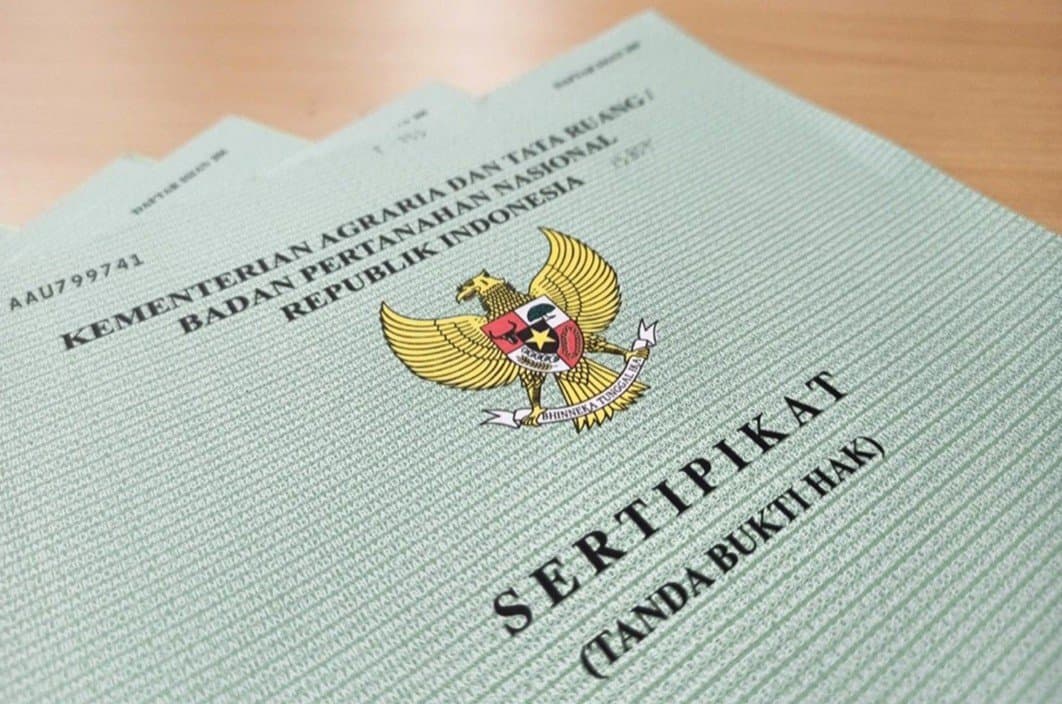
Using an Indonesian citizen's name to hold freehold land is a common workaround for foreign buyers. The Agrarian Law and the Supreme Court treat it as void.
Outsourced workers often cannot tell whether the service provider or the user company owes them their rights. Government Regulation No. 35 of 2021 answers that question, and workers have legal channels when it is ignored.
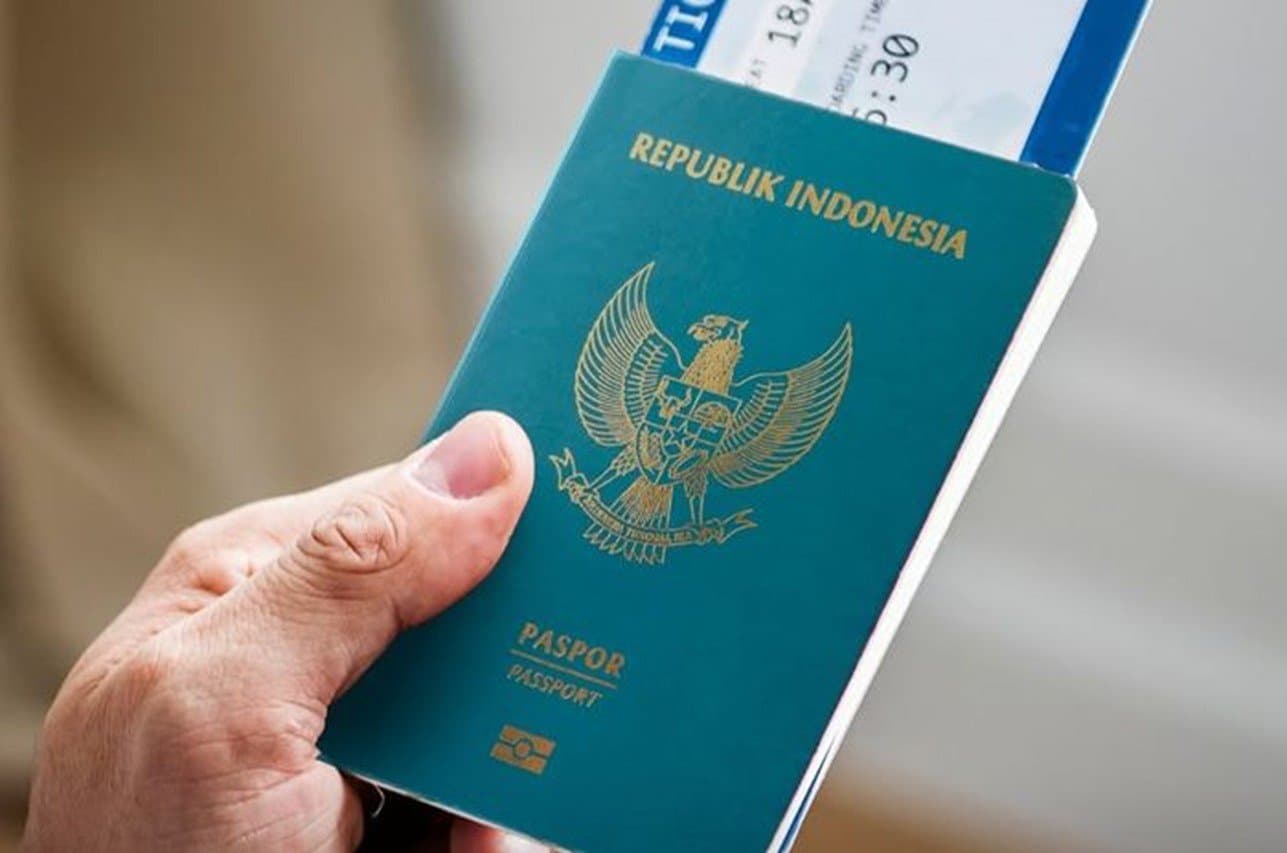
Immigration law already carries firm sanctions for forged documents, yet passport forgery persists. Is the problem the system that issues documents, or the oversight that follows?
The new KUHAP lets investigators summon a corporation through its designated representative — and use coercive measures against that person if the corporation fails to cooperate.
Starting June 2026, every PT must file its annual report through SABH — and letting the deadline slip risks a total system lockout that ripples into banking, licensing, and tenders.
A foreign passport in hand doesn't automatically cost an Indonesian their citizenship — but the single-citizenship principle still sets firm limits.
The Company Law doesn't require a notarial deed for every Annual GMS — but a newer regulation quietly made one mandatory for a specific purpose.
Operating outside your registered KBLI isn't just a paperwork mismatch — it can expose a PMA to sanctions that ripple into financing and business partnerships.
Core-plasma partnerships are meant to link big business strength with SME potential — but without a written contract and real enforcement, the relationship can drift into a lopsided, one-sided arrangement.
Exclusive distribution, tying, and special discount clauses can all cross the line into an unlawful "closed agreement" — and Indonesian courts treat the violation as per se illegal.
Foreign workers in Indonesia are tied to the company that sponsors their stay permit. Freelancing or taking on outside work isn't simply a grey area — it's a defined legal boundary, with sanctions for both worker and employer.
Two collecting-society layers, disharmony in authority, and creators questioning their royalty payouts — direct licensing is emerging as a complementary alternative in Indonesia's music royalty system.
Indonesia's first-to-file system means the business that opens first can still lose its own name to whoever registers the trademark first.
A loss caused by an employee's own act doesn't automatically fall on the directors personally — company law draws a clear line around fault and negligence.
Indonesia's first-to-file trademark system rewards whoever files first — but the law draws a firm line at bad faith, protecting genuine prior users against trademark squatting.
Goods that look flawless at purchase but fail soon after aren't just a disappointment — they can be a serious legal issue. How far must a business go to stand behind a hidden defect?
Is your business using the correct KBLI code? The 2025 revision of Indonesia's Standard Business Classification narrows how activities are grouped, with direct consequences for licensing and capital structuring.
Indonesia's new Criminal Code formally recognizes corporations as criminal subjects — with liability reaching whoever actually controls the business.
A resignation letter signed under pressure isn't a resignation at all — Indonesian courts can treat a coerced resignation as unlawful termination by the employer.
Indonesia's immigration and criminal law already punish passport forgery harshly — so why does the practice persist?
"Pecah sertifikat" and "pisah sertifikat" sound alike but produce very different outcomes for land that is jointly held or being divided.
A minor can hold shares in a family company, but legal capacity determines who actually exercises the rights that come with them.
When a company stops paying wages, employees aren't limited to the labor court — as creditors, they can petition to have the company declared bankrupt.